Currently relocating from Old Bridge to virtual appointments and house calls for home-bound.
Dr. Kauderer has been caring for generations of Brooklyn families for over 30 years.

If you don't have insurance, we can help you!

Review Dyker Height Foot & Ankle, Brooklyn, NY

Blog

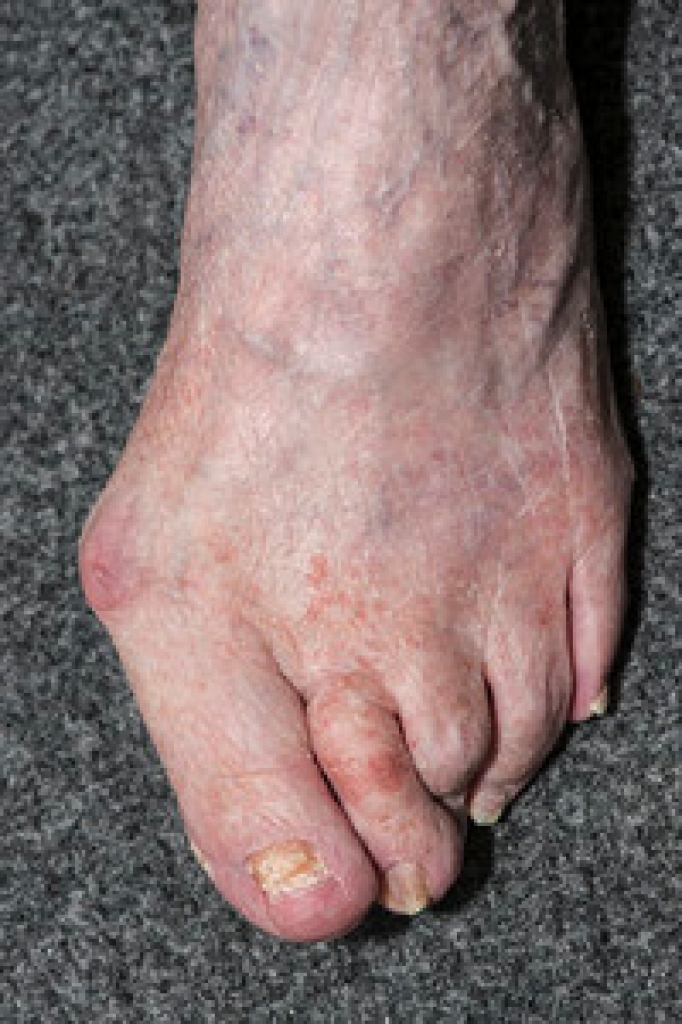
Possible Causes of Bunions

A common sign that you may have developed a bunion is by a bump that gradually forms on the side of the big toe. Additionally, it may appear red, swollen, and can cause severe pain and discomfort. The reasons that a bunion may form can consist of wearing shoes that do not have ample room for the toes to move freely in, or from medical conditions such as arthritis, nerve damage, or due to flat feet. Additionally, genetics may also play a significant role in the development of a bunion, and research has indicated the chances may increase as the aging process occurs. Many patients that have bunions wear custom made orthotics, as this may help relieve a portion of the pressure while wearing shoes. In severe cases, if it becomes difficult to walk, surgery may be a necessary option that can permanently remove the bunion. If you feel you have developed a bunion, it is suggested that you schedule a consultation with a podiatrist who can help choose the best treatment option that is correct for you.

If you are suffering from bunions, contact Corinne R. Kauderer, DPM of Dyker Heights Foot & Ankle. Our doctor can provide the care you need to keep you pain-free and on your feet.

What Is a Bunion?

A bunion is formed of swollen tissue or an enlargement of boney growth, usually located at the base joint of the toe that connects to the foot. The swelling occurs due to the bones in the big toe shifting inward, which impacts the other toes of the foot. This causes the area around the base of the big toe to become inflamed and painful.

Why Do Bunions Form?

Genetics – Susceptibility to bunions are often hereditary

Stress on the feet – Poorly fitted and uncomfortable footwear that places stress on feet, such as heels, can worsen existing bunions

How Are Bunions Diagnosed?

Podiatrists often perform two tests – blood tests and x-rays – when trying to diagnose bunions, especially in the early stages of development. Blood tests help determine if the foot pain is being caused by something else, such as arthritis, while x-rays provide a clear picture of your bone structure to your provider.

How Are Bunions Treated?

  • Refrain from wearing heels or similar shoes that cause discomfort
  • Select wider shoes that can provide more comfort and reduce pain
  • Anti-inflammatory and pain management drugs
  • Orthotics or foot inserts
  • Surgery

If you have any questions, please feel free to contact one of our offices located in Brooklyn, NY and Old Bridge, NJ . We offer the newest diagnostic and treatment technologies for all your foot care needs.
Read more about Bunions

Gout Is a Form of Arthritis

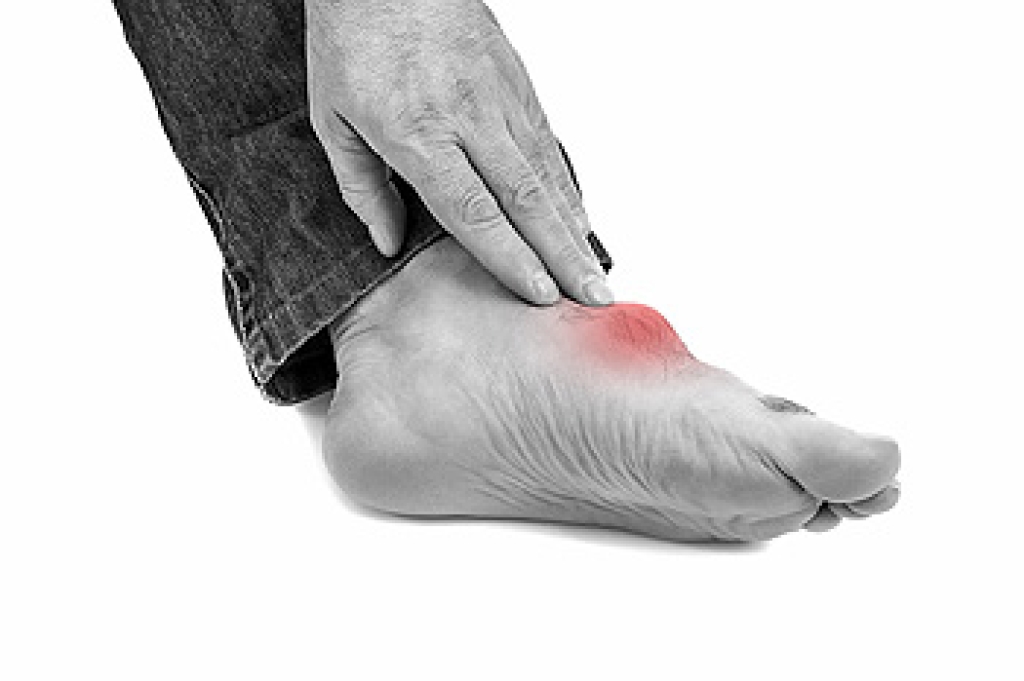
Excess levels of uric acid in the bloodstream may lead to a painful arthritic condition that is known as gout. These particular levels can become elevated as a result of eating foods that have large amounts of purines in them, which can include red meat and seafood. Additionally, foods that have a high sugar content may lead to the development of gout. Common symptoms that are often associated with this condition can include extreme pain on the side of the big toe, swelling, and difficulty walking. There may be existing factors that can lead to the development of gout. These factors can consist of genetic reasons, being overweight, or consuming excess alcohol. Mild relief may be found when anti-inflammatory medicine is taken. If you are routinely affected with gout, it is suggested that you consult with a podiatrist who can properly treat this condition.

Gout is a painful condition that can be treated. If you are seeking treatment, contact Corinne R. Kauderer, DPM from Dyker Heights Foot & Ankle. Our doctor will treat your foot and ankle needs.

What Is Gout?

Gout is a form of arthritis that is characterized by sudden, severe attacks of pain, redness, and tenderness in the joints. The condition usually affects the joint at the base of the big toe. A gout attack can occur at any random time, such as the middle of the night while you are asleep.

Symptoms

  • Intense Joint Pain - Usually around the large joint of your big toe, and it most severe within the first four to twelve hours
  • Lingering Discomfort - Joint discomfort may last from a few days to a few weeks
  • Inflammation and Redness -Affected joints may become swollen, tender, warm and red
  • Limited Range of Motion - May experience a decrease in joint mobility

Risk Factors

  • Genetics - If family members have gout, you’re more likely to have it
  • Medications - Diuretic medications can raise uric acid levels
  • Gender/Age - Gout is more common in men until the age of 60. It is believed that estrogen protects women until that point
  • Diet - Eating red meat and shellfish increases your risk
  • Alcohol - Having more than two alcoholic drinks per day increases your risk
  • Obesity - Obese people are at a higher risk for gout

Prior to visiting your podiatrist to receive treatment for gout, there are a few things you should do beforehand. If you have gout you should write down your symptoms--including when they started and how often you experience them, important medical information you may have, and any questions you may have. Writing down these three things will help your podiatrist in assessing your specific situation so that he or she may provide the best route of treatment for you.

If you have any questions, please feel free to contact one of our offices located in Brooklyn, NY and Old Bridge, NJ . We offer the newest diagnostic and treatment technologies for all your foot care needs.

Read more about Gout

The Importance of Proper Senior Foot Care

As the aging process occurs, the skin on the feet may become thin and lose cushioning. The feet may also be more susceptible to the development of uncomfortable foot conditions, which may include blisters and corns. Additionally, ingrown toenails may be a common ailment among seniors, as this can be a result of poor visibility while trimming the toenails. The feet may generally feel better when shoes and socks that are worn fit correctly, and it is beneficial to avoid wearing high heels. It may also be helpful to choose shoes that have Velcro fasteners, as opposed to laces that can be easily tripped on if they become untied. Many elderly patients choose to be under the care of a podiatrist, who can monitor any existing foot conditions.

Proper foot care is something many older adults forget to consider. If you have any concerns about your feet and ankles, contact Corinne R. Kauderer, DPM from Dyker Heights Foot & Ankle. Our doctor can provide the care you need to keep you pain-free and on your feet.

The Elderly and Their Feet

As we age we start to notice many changes in our body, but the elder population may not notice them right away. Medical conditions may prevent the elderly to take notice of their foot health right away. Poor vision is a lead contributor to not taking action for the elderly.

Common Conditions 

  • Neuropathy – can reduce feeling in the feet and can hide many life-threatening medical conditions.
  • Reduced flexibility – prevents the ability of proper toenail trimming, and foot cleaning. If left untreated, it may lead to further medical issues.
  • Foot sores – amongst the older population can be serious before they are discovered. Some of the problematic conditions they may face are:
  • Gouging toenails affecting nearby toe
  • Shoes that don’t fit properly
  • Pressure sores
  • Loss of circulation in legs & feet
  • Edema & swelling of feet and ankles

Susceptible Infections

Diabetes and poor circulation can cause general loss of sensitivity over the years, turning a simple cut into a serious issue.

If you have any questions, please feel free to contact one of our offices located in Brooklyn, NY and Old Bridge, NJ . We offer the newest diagnostic and treatment technologies for all your foot care needs.

Read more about Elderly Foot Care

How Are Orthotics Made?

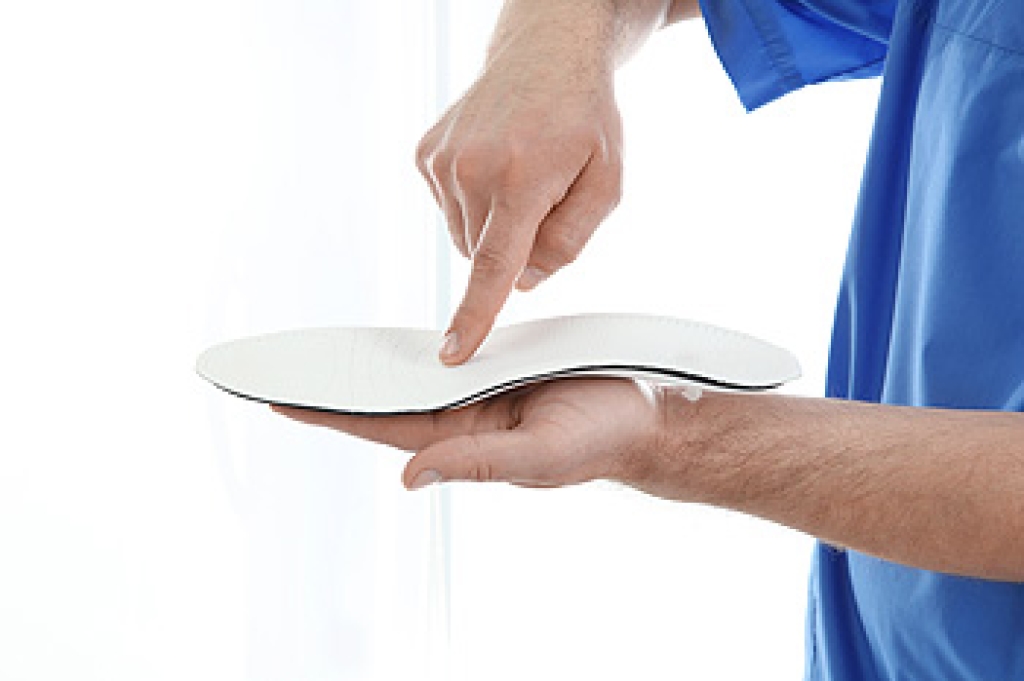
Orthotics are known as insoles that fit inside shoes, which may help to provide the necessary support needed for specific foot conditions. They are custom designed for each patient, and the process begins with taking a plaster mold of the affected foot. The necessary adjustments can be made for size, as this will help the insole to fit perfectly inside the shoe. Some of the reasons why patients choose to wear orthotics may consist of correcting an abnormal walking pattern, or to relieve pressure in a portion of the foot. Additionally, orthotics may help to reduce chronic foot pain, as well as improve certain foot alignments. If you would like more information about custom-made orthotics, please consult with a podiatrist who can determine if they are right for you.

If you are having discomfort in your feet and would like to try orthotics, contact Corinne R. Kauderer, DPM from Dyker Heights Foot & Ankle. Our doctor can provide the care you need to keep you pain-free and on your feet.

What Are Orthotics?

Orthotics are inserts you can place into your shoes to help with a variety of foot problems such as flat feet or foot pain. Orthotics provide relief and comfort for minor foot and heel pain but can’t correct serious biomechanical problems in your feet.

Over-the-Counter Inserts

Orthotics come in a wide variety of over-the-counter inserts that are used to treat foot pain, heel pain, and minor problems. For example, arch supports can be inserted into your shoes to help correct overarched or flat feet, while gel insoles are often used because they provide comfort and relief from foot and heel pain by alleviating pressure.

Prescription Orthotics

If over-the-counter inserts don’t work for you or if you have a more severe foot concern, it is possible to have your podiatrist prescribe custom orthotics. These high-quality inserts are designed to treat problems such as abnormal motion, plantar fasciitis, and severe forms of heel pain. They can even be used to help patients suffering from diabetes by treating foot ulcers and painful calluses and are usually molded to your feet individually, which allows them to provide full support and comfort.

If you are experiencing minor to severe foot or heel pain, it’s recommended to speak with your podiatrist about the possibilities of using orthotics. A podiatrist can determine which type of orthotic is right for you and allow you to take the first steps towards being pain-free.

If you have any questions, please feel free to contact one of our offices located in Brooklyn, NY and Old Bridge, NJ . We offer the newest diagnostic and treatment technologies for all your foot care needs.
Read more about Ankle Foot Orthotics for Athletes
Connect with us

Foot care blog in Dyker Heights, Brooklyn, NY and Old Bridge, NJ