
Facts About Plantar Fasciitis

Plantar fasciitis is one of the most common causes of heel pain. It develops when the plantar fascia becomes irritated. The plantar fascia is a strong band of tissue that runs along the bottom of the foot and supports the arch. When this tissue is placed under repeated stress, small tears can develop. This can lead to inflammation and pain. Many people notice pain near the heel when taking their first steps in the morning. It can also occur after sitting for a long period of time. Some people feel a sharp pain, and others describe a deep ache that makes daily activities more difficult.

Several factors increase the risk of plantar fasciitis. People who spend many hours standing are more likely to develop this condition. Running and other high-impact activities can also place extra strain on the foot. Foot structure can play a role as well. Flat feet, high arches, and tight calf muscles can increase stress on the plantar fascia. Excess body weight can add pressure to the heel and arch. Symptoms include heel pain, foot stiffness, and tenderness near the bottom of the heel. Many patients find that pain becomes worse after activity. Pain can also interfere with comfort while walking and standing.

A podiatrist can diagnose plantar fasciitis through a physical examination and a review of symptoms. Imaging tests such as X-rays or ultrasound studies may be used to rule out other causes of heel pain. Treatment depends on the severity of the condition. A podiatrist may recommend custom orthotics, supportive footwear, or a brace to reduce strain on the plantar fascia. Additional treatment options include a targeted stretching program and other medical therapies designed to reduce pain and inflammation. If you have symptoms of plantar fasciitis, it is suggested that you schedule an appointment with a podiatrist for effective relief and management solutions.

Plantar fasciitis is a common foot condition that is often caused by a strain injury. If you are experiencing heel pain or symptoms of plantar fasciitis, contact Corinne R. Kauderer, DPM from Dyker Heights Foot & Ankle. Our doctor can provide the care you need to keep you pain-free and on your feet.

What Is Plantar Fasciitis?

Plantar fasciitis is one of the most common causes of heel pain. The plantar fascia is a ligament that connects your heel to the front of your foot. When this ligament becomes inflamed, plantar fasciitis is the result. If you have plantar fasciitis you will have a stabbing pain that usually occurs with your first steps in the morning. As the day progresses and you walk around more, this pain will start to disappear, but it will return after long periods of standing or sitting.

What Causes Plantar Fasciitis?

  • Excessive running
  • Having high arches in your feet
  • Other foot issues such as flat feet
  • Pregnancy (due to the sudden weight gain)
  • Being on your feet very often

There are some risk factors that may make you more likely to develop plantar fasciitis compared to others. The condition most commonly affects adults between the ages of 40 and 60. It also tends to affect people who are obese because the extra pounds result in extra stress being placed on the plantar fascia.

Prevention

  • Take good care of your feet – Wear shoes that have good arch support and heel cushioning.
  • Maintain a healthy weight
  • If you are a runner, alternate running with other sports that won’t cause heel pain

There are a variety of treatment options available for plantar fasciitis along with the pain that accompanies it. Additionally, physical therapy is a very important component in the treatment process. It is important that you meet with your podiatrist to determine which treatment option is best for you.

If you have any questions, please feel free to contact one of our offices located in Brooklyn, NY and Central NJ . We offer the newest diagnostic and treatment technologies for all your foot care needs.

 

Read more about Plantar Fasciitis

When a Stubborn Nail Infection May Be Retronychia

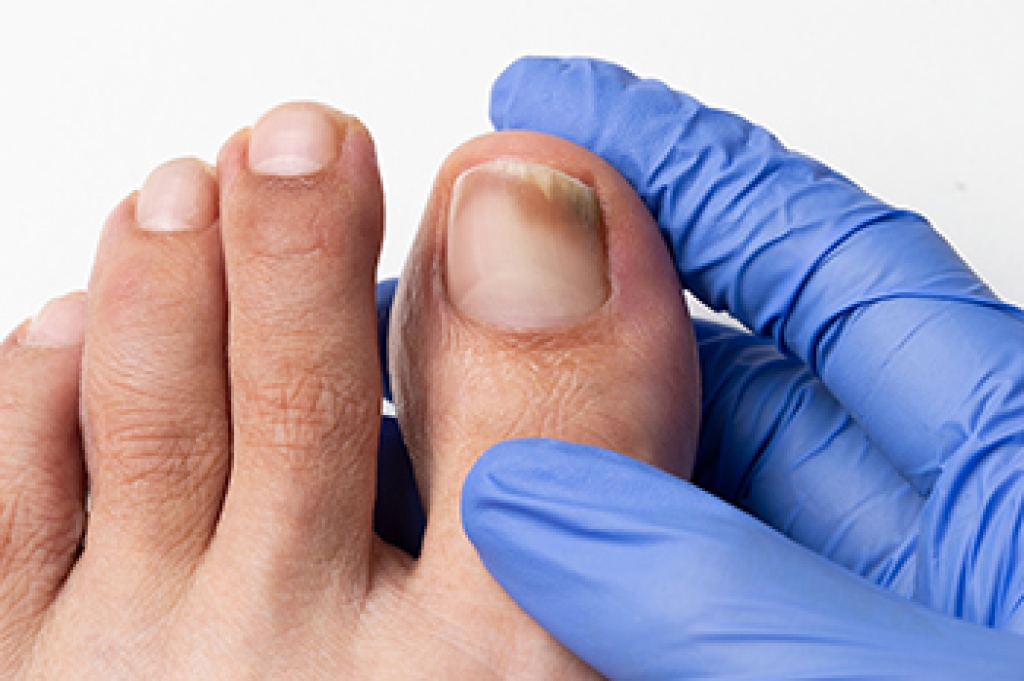
Ongoing redness, swelling, and pain surrounding a toenail are often treated as a nail fold infection or an ingrown toenail. However, another condition called retronychia may be the cause. Retronychia happens when a new nail grows under an old nail and pushes it backward into the skin. This can look very similar to other nail problems, which can lead to confusion and delayed care. Signs may include repeated flare ups, thickened nails, and pain with pressure or shoes. Standard treatments may not work because the cause is different. Without proper care, this condition can lead to infection or lasting nail changes. Early identification helps guide the right treatment and can prevent complications. If symptoms do not improve or keep returning, it is suggested you schedule an appointment with a podiatrist for appropriate treatment.

Ingrown toenails may initially present themselves as a minor discomfort, but they may progress into an infection in the skin without proper treatment. For more information about ingrown toenails, contact Corinne R. Kauderer, DPM of Dyker Heights Foot & Ankle. Our doctor can provide the care you need to keep you pain-free and on your feet.

Ingrown Toenails

Ingrown toenails are caused when the corner or side of a toenail grows into the soft flesh surrounding it. They often result in redness, swelling, pain, and in some cases, infection. This condition typically affects the big toe and may recur if it is not treated properly.

Causes

  • Improper toenail trimming
  • Genetics
  • Improper shoe fitting
  • Injury from pedicures or nail picking
  • Abnormal gait
  • Poor hygiene

You are more likely to develop an ingrown toenail if you are obese, have diabetes, arthritis, or have any fungal infection in your nails. Additionally, people who have foot or toe deformities are at a higher risk of developing an ingrown toenail.

Symptoms

Some symptoms of ingrown toenails are redness, swelling, and pain. In rare cases, there may be a yellowish drainage coming from the nail.

Treatment

Ignoring an ingrown toenail can have serious complications. Infections of the nail border can progress to a deeper soft-tissue infection, which can then turn into a bone infection. You should always speak with your podiatrist if you suspect you have an ingrown toenail, especially if you have diabetes or poor circulation.

If you have any questions, please feel free to contact one of our offices located in Brooklyn, NY and Central NJ . We offer the newest diagnostic and treatment technologies for all your foot care needs.
Read more about Ingrown Toenails

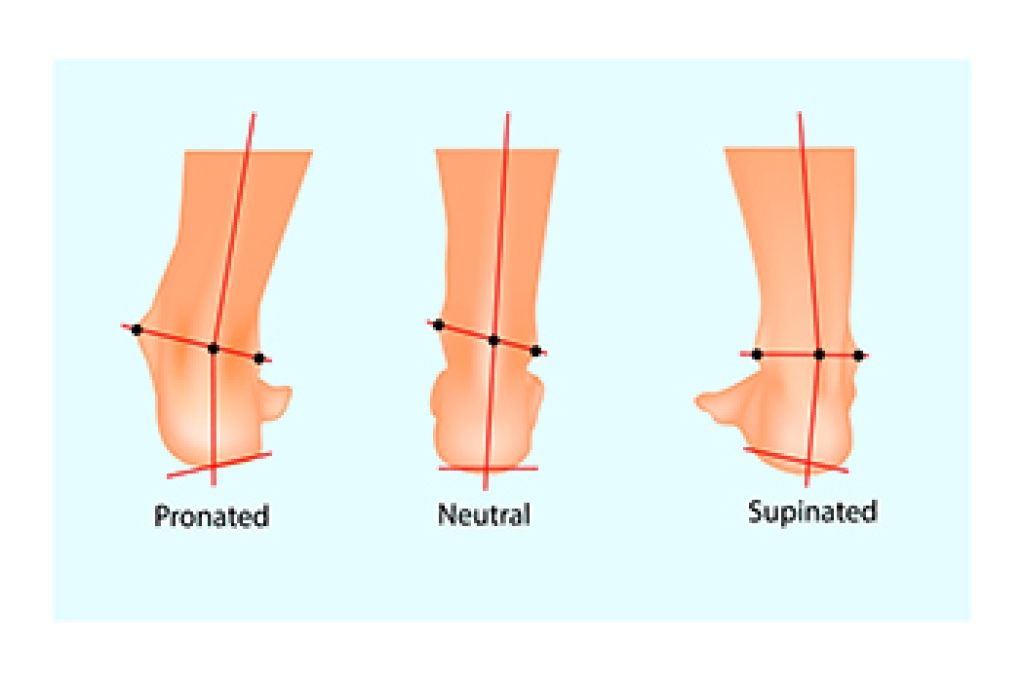
Understanding Pronation and Supination in the Feet

Pronation and supination describe how the feet move while walking. Pronation occurs when the foot rolls slightly inward after the heel touches the ground. This movement helps absorb shock and spread body weight more evenly. With supination, the foot rolls outward and places more pressure on the outer edge of the foot. A small amount of both movements is normal, but too much can lead to pain and balance problems. Excessive pronation can place stress on the arches, heels, and ankles. Too much supination is more common in people with high arches and can reduce the foot’s ability to absorb impact. Signs of gait problems include uneven shoe wear, foot fatigue, and pain in the ankles or heels. A podiatrist can examine how your feet move while walking and recommend supportive shoes, custom orthotics, or other treatment options. If you have gait problems that are causing pain, it is suggested that you make an appointment with a podiatrist. 

If you have any concerns about your feet, contact Corinne R. Kauderer, DPM from Dyker Heights Foot & Ankle. Our doctor can provide the care you need to keep you pain-free and on your feet.

Biomechanics in Podiatry

Podiatric biomechanics is a particular sector of specialty podiatry with licensed practitioners who are trained to diagnose and treat conditions affecting the foot, ankle and lower leg. Biomechanics deals with the forces that act against the body, causing an interference with the biological structures. It focuses on the movement of the ankle, the foot and the forces that interact with them.

A History of Biomechanics

  • Biomechanics dates back to the BC era in Egypt where evidence of professional foot care has been recorded.
  • In 1974, biomechanics gained a higher profile from the studies of Merton Root, who claimed that by changing or controlling the forces between the ankle and the foot, corrections or conditions could be implemented to gain strength and coordination in the area.

Modern technological improvements are based on past theories and therapeutic processes that provide a better understanding of podiatric concepts for biomechanics. Computers can provide accurate information about the forces and patterns of the feet and lower legs.

Understanding biomechanics of the feet can help improve and eliminate pain, stopping further stress to the foot.

If you have any questions please feel free to contact one of our offices located in Brooklyn, NY and Central NJ . We offer the newest diagnostic and treatment technologies for all your foot and ankle needs.

Read more about Biomechanics in Podiatry

Signs of Toenail Fungus

Toenail fungus affects the nail and the skin beneath it. It develops when fungi enter through small cracks in the nail or surrounding skin, often in warm and moist environments. Early signs may include discoloration, usually yellow or white, along with thickening and brittleness of the nail. As the condition progresses, the nail may become distorted, crumbly, or separate from the nail bed. Risk factors include wearing tight shoes, excessive sweating, and aging. Conditions that affect circulation may also be factors. The infection tends to worsen over time, if not treated, and can spread to other nails. A podiatrist can diagnose the infection, determine its severity, and provide targeted treatments to restore nail health and prevent recurrence. If you notice signs of toenail fungus, it is suggested that you consult a podiatrist who can effectively treat this condition, which may include prescribed medication.

For more information about treatment, contact Corinne R. Kauderer, DPM of Dyker Heights Foot & Ankle. Our doctor can provide the care you need to keep you pain-free and on your feet.

Toenail Fungus Treatment

Toenail fungus is a condition that affects many people and can be especially hard to get rid of. Fortunately, there are several methods to go about treating and avoiding it.

Antifungals & Deterrence

Oral antifungal medicine has been shown to be effective in many cases. It is important to consult with a podiatrist to determine the proper regiment for you, or potentially explore other options.

Applying foot powder on the feet and shoes helps keep the feet free of moisture and sweat.

Sandals or open toed shoes – Wearing these will allow air movement and help keep feet dry. They also expose your feet to light, which fungus cannot tolerate. Socks with moisture wicking material also help as well.

If you have any questions please contact one of our offices located in Brooklyn, NY and Central NJ . We offer the newest diagnostic and treatment technologies for all your foot and ankle needs.

Read more about Treating Toenail Fungus

Why Feet Become Swollen

Swollen feet can develop for many reasons and may affect comfort and mobility throughout the day. Foot injuries such as sprains or strains can lead to localized swelling and tenderness. Edema, which is the buildup of fluid in the tissues, is another common cause and may be related to circulation issues or underlying health concerns. Lifestyle factors like sitting for long periods of time or standing all day can place added pressure on the feet. Pregnancy may also contribute due to increased fluid retention and changes in circulation. Risk factors include poor circulation, wearing improper footwear, and certain medical conditions. A podiatrist can evaluate the cause, recommend treatment, and provide guidance to reduce swelling. If your feet and ankles are consistently swollen, it is suggested that you consult a podiatrist who can offer effective relief and treatment solutions.

Swollen feet can be a sign of an underlying condition. If you have any concerns, contact Corinne R. Kauderer, DPM of Dyker Heights Foot & Ankle. Our doctor can provide the care you need to keep you pain-free and on your feet.

Swollen feet are a common ailment among pregnant women and people who stand or sit for extended periods. Aging may increase the possibility of swollen feet and patients who are obese often notice when their feet are swelling too. There may be medical reasons why swollen feet occur:

  • Phlebitis - A condition that causes the veins to become inflamed and can also cause leg pain.
  • Liver disease - This may lead to low blood levels of albumin which is a protein. This can cause fluid in the blood to pass into the tissues and several areas of the body can become swollen.
  • Heart failure - When the heart doesn’t pump properly the blood that is normally pumped back to the heart can pool in the veins of the legs causing swollen feet.
  • Kidney disease - One of the main functions of the kidneys is releasing excess fluid in the body. This type of condition can make it difficult for the kidneys to function properly, and as a result the feet may become swollen.
  • Deep-vein thrombosis (DVT)- This is a serious condition where blood clots form in the veins of the legs. They can block the return of blood from the legs to the heart which may cause the feet to swell. It is important to be treated by a podiatrist if this condition is present.

Swollen feet can also be caused by bone and tendon conditions, including fractures, arthritis, and tendinitis. Additionally, there may be skin and toenail conditions and an infection may cause the feet to swell. Patients who take medicine to treat high blood pressure may be prone to getting swollen feet. 

Many patients elevate their feet to help relieve the swelling and this is generally a temporary remedy. When a podiatrist is consulted the reason behind the swelling can be uncovered and subsequently treated.

If you have any questions please contact one of our offices located in Brooklyn, NY and Central NJ . We offer the newest diagnostic and treatment technologies for all your foot and ankle needs.

Read more about Swelling of the Feet
scroll to top