
If you are suffering from tenderness, pain, or stiffness in the joints of your feet or ankles, call us to schedule an appointment.


If you are suffering from tenderness, pain, or stiffness in the joints of your feet or ankles, call us to schedule an appointment.
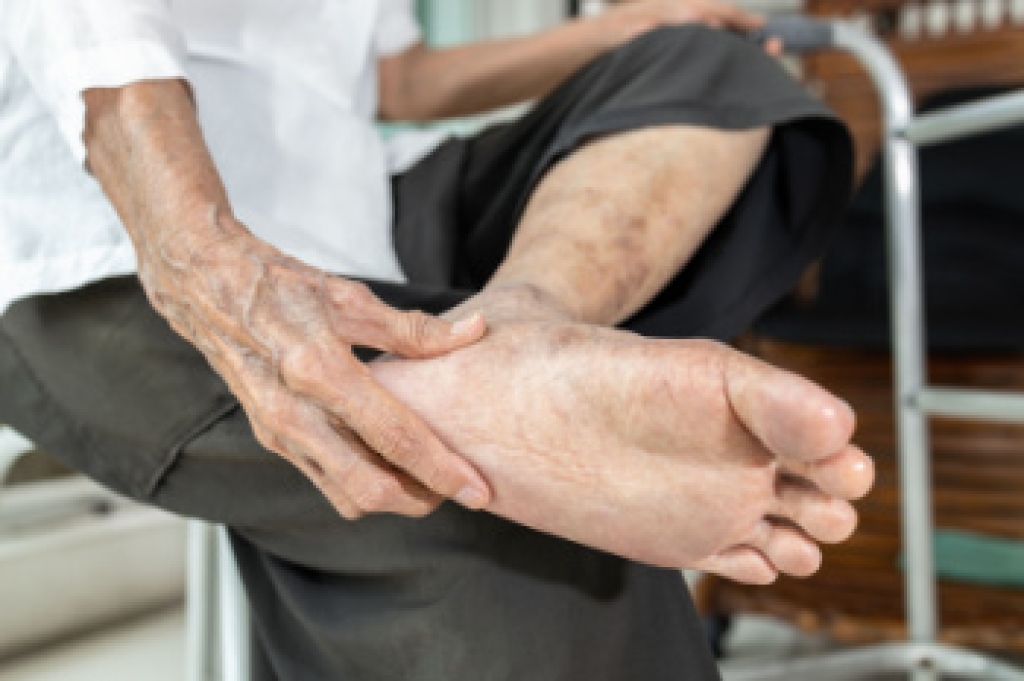
Foot problems become more frequent with age as natural changes affect the bones, joints, and soft tissues. A loss of flexibility can lead to flat feet, where the arch collapses and causes strain. Seniors may also develop bunions, which are bony bumps at the base of the big toe that can lead to pain and difficulty walking. Joint wear, often called arthritis, can cause stiffness and swelling in the feet and ankles. In addition, reduced bone strength increases the risk of stress fractures, which are small cracks in the bone caused by repeated pressure. Circulation changes and nerve issues may also lead to discomfort or reduced feeling in the feet. A podiatrist can evaluate these conditions, provide custom orthotics to improve support, and offer medical care to relieve pain and prevent further damage. If you are experiencing foot pain as a senior adult, it is suggested that you make an appointment with a podiatrist for a diagnosis and treatment.
Proper foot care is something many older adults forget to consider. If you have any concerns about your feet and ankles, contact Corinne R. Kauderer, DPM from Dyker Heights Foot & Ankle. Our doctor can provide the care you need to keep you pain-free and on your feet.
The Elderly and Their Feet
As we age we start to notice many changes in our body, but the elder population may not notice them right away. Medical conditions may prevent the elderly to take notice of their foot health right away. Poor vision is a lead contributor to not taking action for the elderly.
Common Conditions
Susceptible Infections
Diabetes and poor circulation can cause general loss of sensitivity over the years, turning a simple cut into a serious issue.
If you have any questions, please feel free to contact one of our offices located in Brooklyn, NY and Central NJ . We offer the newest diagnostic and treatment technologies for all your foot care needs.
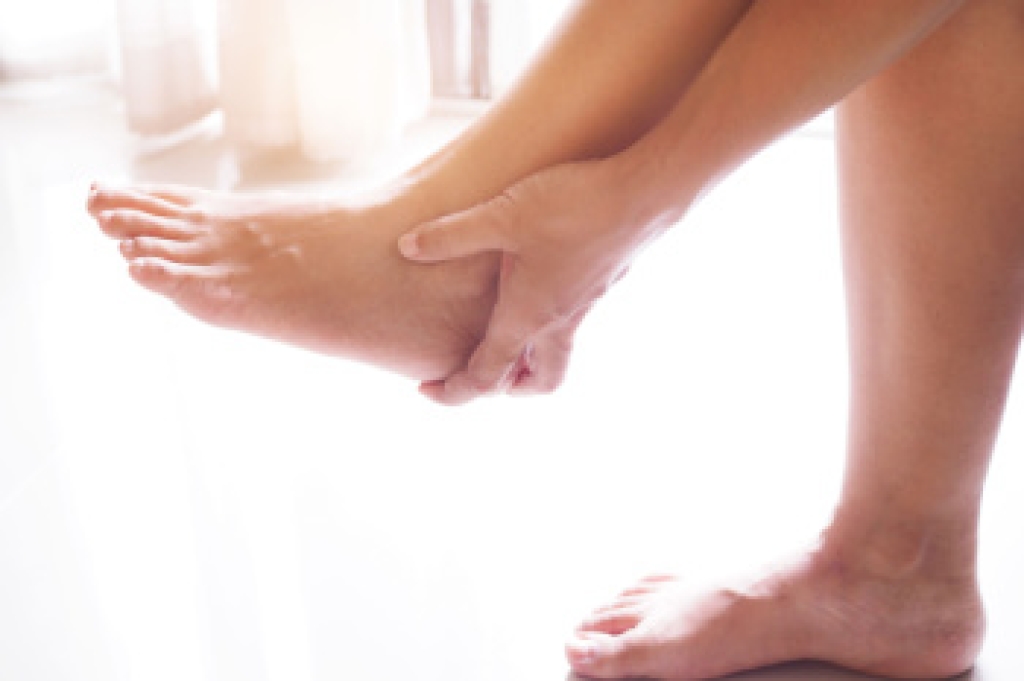
Plantar fasciitis is often described as sharp heel pain with first steps, but many people notice it behaves in less predictable ways. The plantar fascia, a strong band of tissue along the bottom of the foot, helps store and release energy with each step. When it becomes irritated, the pain may ease after moving, then return later in the day or after standing too long. Tight calves, changes in activity, or even long periods of sitting can all play a role. It is not always about overuse. Wearing supportive shoes, gentle stretching, and pacing daily activity can help calm symptoms. Avoiding sudden increases in walking or exercise is also important. Early attention can prevent a longer recovery. If heel discomfort lingers or keeps returning, it is suggested that you see a podiatrist for a diagnosis and appropriate treatment.
Plantar fasciitis can be very painful and inconvenient. If you are experiencing heel pain or symptoms of plantar fasciitis, contact Corinne R. Kauderer, DPM from Dyker Heights Foot & Ankle. Our doctor can provide the care you need to keep you pain-free and on your feet.
What Is Plantar Fasciitis?
Plantar fasciitis is the inflammation of the thick band of tissue that runs along the bottom of your foot, known as the plantar fascia, and causes mild to severe heel pain.
What Causes Plantar Fasciitis?
How Can It Be Treated?
While very treatable, plantar fasciitis is definitely not something that should be ignored. Especially in severe cases, speaking to your doctor right away is highly recommended to avoid complications and severe heel pain. Your podiatrist can work with you to provide the appropriate treatment options tailored to your condition.
If you have any questions, please feel free to contact one of our offices located in Brooklyn, NY and Central NJ . We offer the newest diagnostic and treatment technologies for all your foot care needs.
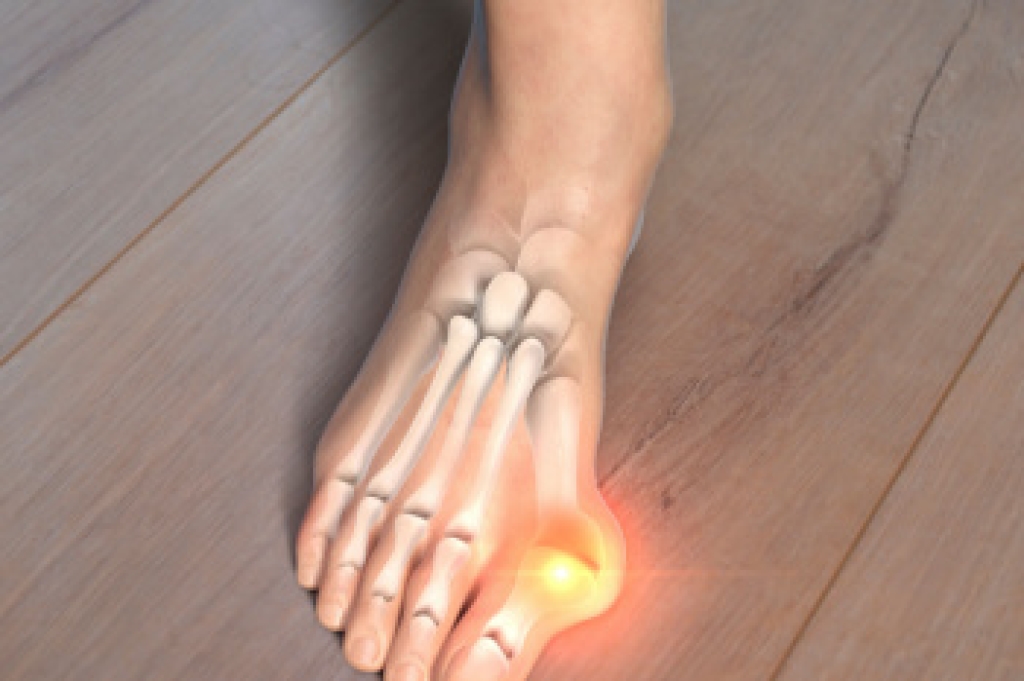
Bunions and bunionettes are both bony bumps that form at the base of a toe, but they develop in different places. A bunion forms at the joint of the big toe as the top of the toe leans toward the smaller toes. This can create pain, swelling, and trouble wearing shoes comfortably. A bunionette forms at the base of the little toe on the outer side of the foot. It is usually smaller, but can still cause rubbing, redness, and discomfort. Bunions are more common and are often linked to foot structure, family history, and shoe pressure. Bunionettes are also often related to inherited foot shape. A podiatrist can examine the foot, take X-rays, and provide treatment. Options include orthotics, padding, shoe guidance, or surgery when the deformity is severe. If you have pain from a bunion or bunionette, it is suggested that you schedule an appointment with a podiatrist for effective relief solutions.
If you are suffering from bunion pain, contact Corinne R. Kauderer, DPM of Dyker Heights Foot & Ankle. Our doctor can provide the care you need to keep you pain-free and on your feet.
What Is a Bunion?
Bunions are painful bony bumps that usually develop on the inside of the foot at the joint of the big toe. As the deformity increases over time, it may become painful to walk and wear shoes. Women are more likely to exacerbate existing bunions since they often wear tight, narrow shoes that shift their toes together. Bunion pain can be relieved by wearing wider shoes with enough room for the toes.
Causes
Symptoms
In order to diagnose your bunion, your podiatrist may ask about your medical history, symptoms, and general health. Your doctor might also order an x-ray to take a closer look at your feet. Nonsurgical treatment options include orthotics, padding, icing, changes in footwear, and medication. If nonsurgical treatments don’t alleviate your bunion pain, surgery may be necessary.
If you have any questions, please feel free to contact one of our offices located in Brooklyn, NY and Central NJ . We offer the newest diagnostic and treatment technologies for all your foot care needs.
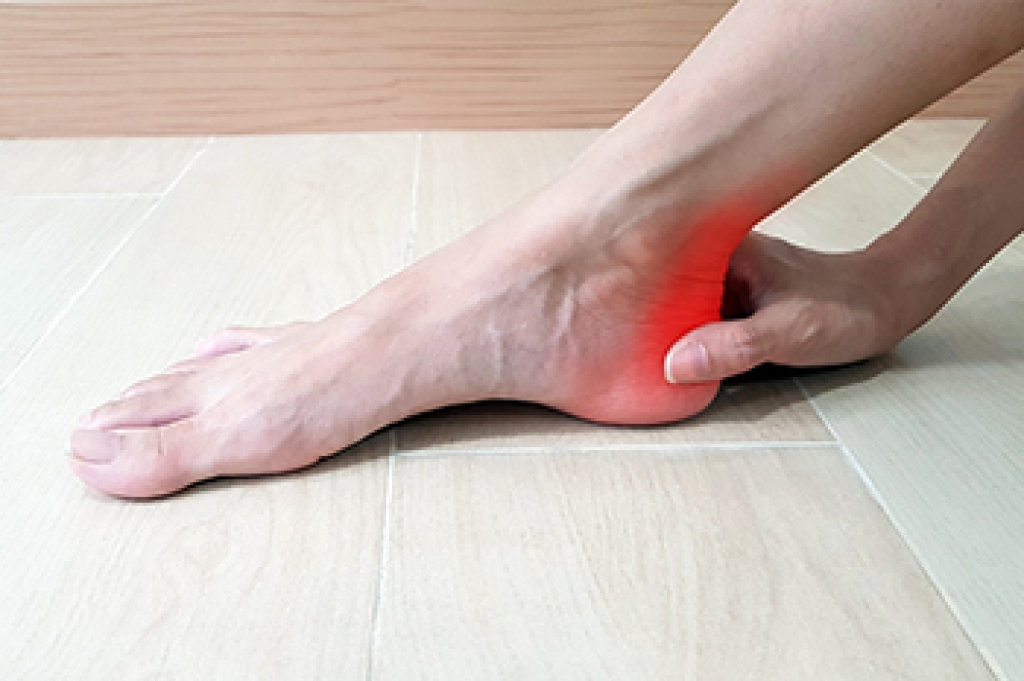
Achilles tendinitis involves inflammation of the Achilles tendon, the strong band of tissue that connects the calf muscles to the heel bone. It commonly develops from overuse, repetitive stress, or sudden increases in physical activity. Tight calf muscles, wearing improper footwear, and poor training habits can also contribute to this condition. Risk factors include aging, flat feet, high arches, and participation in high impact sports. Symptoms often include pain and stiffness along the back of the heel, swelling, and discomfort that worsens with activity. A podiatrist can evaluate the tendon, recommend stretching and strengthening programs, and provide treatment to reduce inflammation and prevent further injury. If you have any of the above symptoms, it is suggested that you consult a podiatrist who can accurately diagnose and treat the condition.
Achilles tendon injuries need immediate attention to avoid future complications. If you have any concerns, contact Corinne R. Kauderer, DPM of Dyker Heights Foot & Ankle. Our doctor can provide the care you need to keep you pain-free and on your feet.
What Is the Achilles Tendon?
The Achilles tendon is a tendon that connects the lower leg muscles and calf to the heel of the foot. It is the strongest tendon in the human body and is essential for making movement possible. Because this tendon is such an integral part of the body, any injuries to it can create immense difficulties and should immediately be presented to a doctor.
What Are the Symptoms of an Achilles Tendon Injury?
There are various types of injuries that can affect the Achilles tendon. The two most common injuries are Achilles tendinitis and ruptures of the tendon.
Achilles Tendinitis Symptoms
Rupture Symptoms
Treatment and Prevention
Achilles tendon injuries are diagnosed by a thorough physical evaluation, which can include an MRI. Treatment involves rest, physical therapy, and in some cases, surgery. However, various preventative measures can be taken to avoid these injuries, such as:
If you have any questions please feel free to contact one of our offices located in Brooklyn, NY and Central NJ . We offer the newest diagnostic tools and technology to treat your foot and ankle needs.
