Currently relocating from Old Bridge to virtual appointments and house calls for home-bound.
Dr. Kauderer has been caring for generations of Brooklyn families for over 30 years.

If you don't have insurance, we can help you!

Brooklyn (718) 232-2100
Central NJ (732) 414-1150

7713 13th Avenue, Brooklyn, NY 11228

Central NJ: virtual visits & house calls only

Review Dyker Height Foot & Ankle, Brooklyn, NY

Blog

How Gout Is Diagnosed

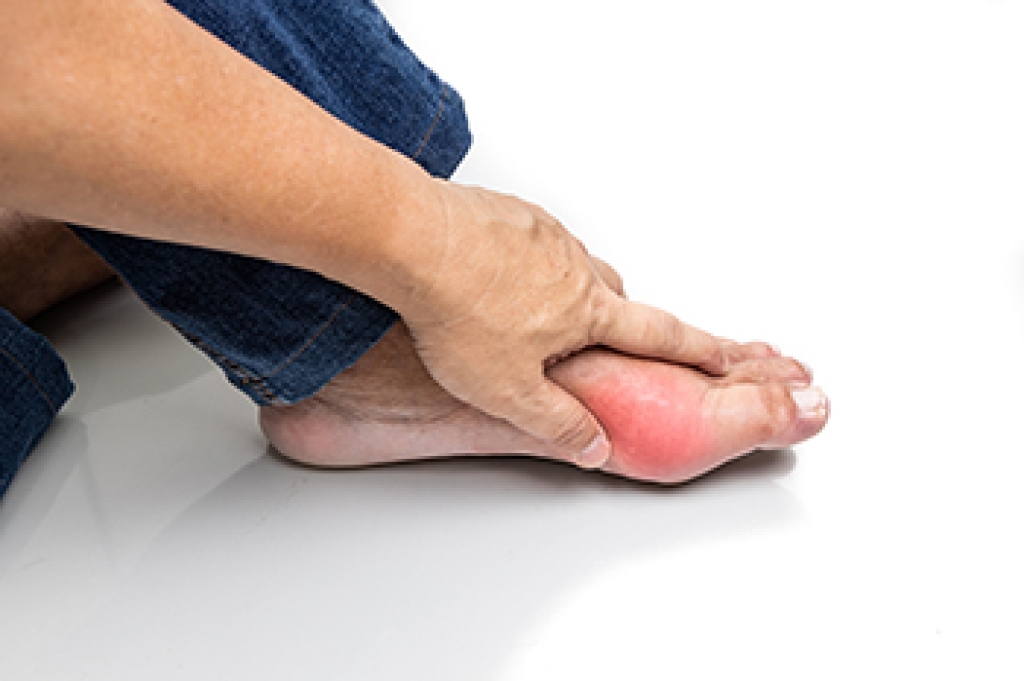
Gout is a form of inflammatory arthritis caused by excess uric acid in the blood that forms sharp crystals in the joints. It most often affects the big toe because cooler temperatures in the extremities encourage crystal formation, and the joint experiences frequent pressure. Symptoms include sudden severe pain, redness, swelling, warmth, and tenderness in the affected area. Diagnosis involves a medical evaluation, uric acid blood testing, joint fluid analysis to identify crystals, and imaging such as X-rays or ultrasounds to detect inflammation and joint damage. Risk factors include high purine diets, alcohol intake, obesity, kidney disease, and genetics. A podiatrist can diagnose gout, manage pain, and recommend lifestyle changes and treatment options. If you have symptoms of gout, it is suggested that you are under the care of a podiatrist who can accurately diagnose and help you to manage this painful condition.

Gout is a foot condition that requires certain treatment and care. If you are seeking treatment, contact Corinne R. Kauderer, DPM from Dyker Heights Foot & Ankle. Our doctor will treat your foot and ankle needs.

What Is Gout?

Gout is a type of arthritis caused by a buildup of uric acid in the bloodstream. It often develops in the foot, especially the big toe area, although it can manifest in other parts of the body as well. Gout can make walking and standing very painful and is especially common in diabetics and the obese.

People typically get gout because of a poor diet. Genetic predisposition is also a factor. The children of parents who have had gout frequently have a chance of developing it themselves.

Gout can easily be identified by redness and inflammation of the big toe and the surrounding areas of the foot. Other symptoms include extreme fatigue, joint pain, and running high fevers. Sometimes corticosteroid drugs can be prescribed to treat gout, but the best way to combat this disease is to get more exercise and eat a better diet.

If you have any questions, please feel free to contact one of our offices located in Brooklyn, NY and Central NJ . We offer the newest diagnostic and treatment technologies for all your foot care needs.

Read more about Everything You Need to Know About Gout

Causes of Foot Cramps

Foot cramps are sudden, painful muscle spasms that can affect the arch, toes, or entire foot. They occur when a muscle contracts forcefully and does not relax properly, leading to a tight, sometimes painful, knotted feeling. Several factors can trigger foot cramps. Muscle fatigue from overuse or prolonged standing places stress on the foot. Poor circulation reduces oxygen delivery to muscles, increasing cramp risk. Nerve damage, meaning disrupted signals between the brain and muscles, may also cause spasms. Imbalances in minerals like potassium, calcium, and magnesium interfere with normal muscle function. Certain medical conditions and medication can further increase risk. A podiatrist can evaluate foot structure, nerve function, and circulation, order imaging, and provide custom orthotics or other medical treatment to reduce cramping episodes. Early care can prevent worsening symptoms and complications. If you regularly experience foot cramps, it is suggested that you schedule an appointment with a podiatrist for an evaluation and appropriate treatment.

Foot Pain

Foot pain can be extremely painful and debilitating. If you have a foot pain, consult with Corinne R. Kauderer, DPM from Dyker Heights Foot & Ankle. Our doctor will assess your condition and provide you with quality foot and ankle treatment.

Causes

Foot pain is a very broad condition that could be caused by one or more ailments. The most common include:

  • Bunions
  • Hammertoes
  • Plantar Fasciitis
  • Bone Spurs
  • Corns
  • Tarsal Tunnel Syndrome
  • Ingrown Toenails
  • Arthritis (such as Gout, Rheumatoid, and Osteoarthritis)
  • Flat Feet
  • Injury (from stress fractures, broken toe, foot, ankle, Achilles tendon ruptures, and sprains)
  • And more

Diagnosis

To figure out the cause of foot pain, podiatrists utilize several different methods. This can range from simple visual inspections and sensation tests to X-rays and MRI scans. Prior medical history, family medical history, and any recent physical traumatic events will all be taken into consideration for a proper diagnosis.

Treatment

Treatment depends upon the cause of the foot pain. Whether it is resting, staying off the foot, or having surgery; podiatrists have a number of treatment options available for foot pain.

If you have any questions, please feel free to contact one of our offices located in Brooklyn, NY and Central NJ . We offer the newest diagnostic and treatment technologies for all your foot care needs.
Read more about Foot Pain

Why Proper Shoe Fit Matters for Lifelong Foot Health

Proper shoe fit plays a vital role in maintaining overall foot health and preventing avoidable injuries. Many adults unknowingly wear shoes that are too large, which can lead to blisters, instability, and an increased risk of trips and falls. Shoes that are too small can be equally harmful, contributing to painful conditions such as bunions and hammertoes. Wearing the right shoes for specific activities is essential for support, comfort, and injury prevention. A podiatrist can evaluate foot structure, recommend appropriate footwear, and address existing concerns before they worsen. Taking the time to choose correctly fitted shoes can improve mobility, reduce pain, and support long-term wellness. If you have foot pain from possibly wearing the wrong size shoes, it is suggested that you consult a podiatrist who can treat various foot conditions and guide you on the appropriate shoe size to wear.

It is important to find shoes that fit you properly in order to avoid a variety of different foot problems. For more information about treatment, contact Corinne R. Kauderer, DPM from Dyker Heights Foot & Ankle. Our doctor will treat your foot and ankle needs.

Proper Shoe Fitting

Shoes have many different functions. They cushion our body weight, protect our feet, and allow us to safely play sports. You should always make sure that the shoes you wear fit you properly in order to avoid injuries and deformities such as: bunions, corns, calluses, hammertoes, plantar fasciitis, stress fractures, and more. It is important to note that although a certain pair of shoes might be a great fit for someone else, that doesn’t mean they will be a great fit for you. This is why you should always try on shoes before buying them to make sure they are worth the investment. Typically, shoes need to be replaced ever six months to one year of regular use.

Tips for Proper Shoe Fitting

  • Select a shoe that is shaped like your foot
  • Don’t buy shoes that fit too tight, expecting them to stretch to fit
  • Make sure there is enough space (3/8” to ½”) for your longest toe at the end of each shoe when you are standing up
  • Walk in the shoes to make sure they fit and feel right
  • Don’t select shoes by the size marked inside the shoe, but by how the shoe fits your foot

The shoes you buy should always feel as good as they look. Shoes that fit properly will last longer, feel better, and improve your way of life each day.

If you have any questions please contact one of our offices located in Brooklyn, NY and Central NJ . We offer the newest diagnostic and treatment technologies for all your foot and ankle needs.

Read more about How to Get a Proper Shoe Fit

Ingrown Toenail Facts

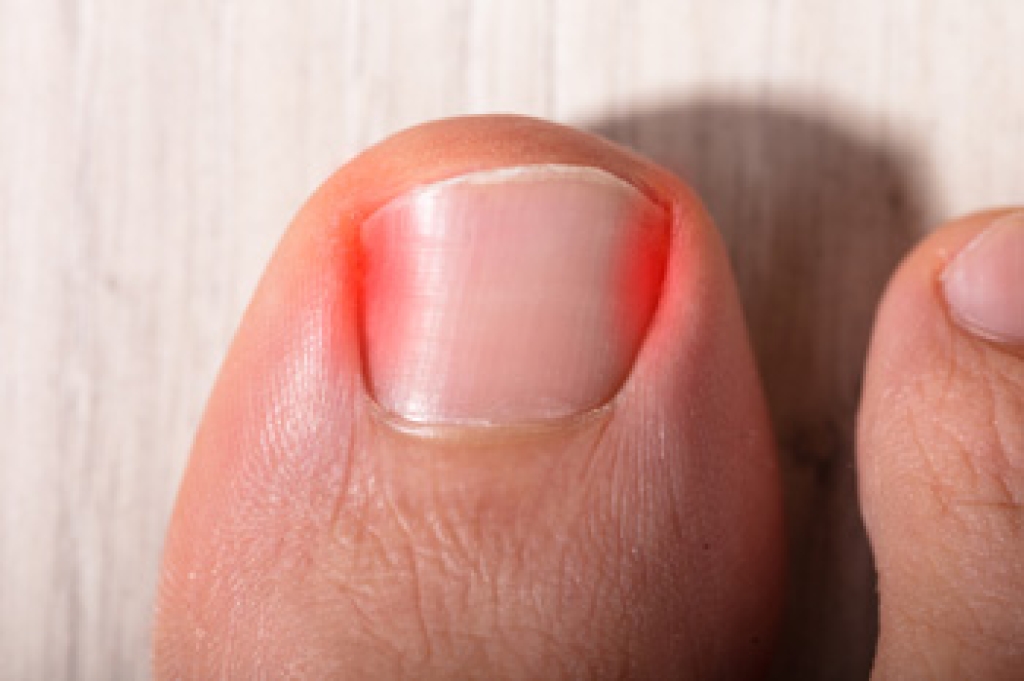
An ingrown toenail occurs when the edge of a toenail grows into the surrounding skin, leading to pain and inflammation. This condition is often caused by improper nail trimming, toe injuries, genetic factors, or repetitive foot stress from activities like running or wearing tight shoes. Risk factors include curved nails, poor foot hygiene, and excessive pressure on the toes. Symptoms include pain along the nail edge, redness, swelling, and sometimes infection with drainage. Without proper care, an ingrown toenail can worsen and make walking uncomfortable. A podiatrist can safely treat ingrown toenails by relieving pressure, removing the affected portion of the nail, and preventing recurrence through proper care techniques. If you have symptoms of an ingrown toenail, it is suggested that you consult a podiatrist for treatment solutions, which may include minor surgery.

Ingrown toenails can become painful if they are not treated properly. For more information about ingrown toenails, contact Corinne R. Kauderer, DPM of Dyker Heights Foot & Ankle. Our doctor can provide the care you need to keep you pain-free and on your feet.

Ingrown Toenails

Ingrown toenails occur when a toenail grows sideways into the bed of the nail, causing pain, swelling, and possibly infection.

Causes

  • Bacterial infections
  • Improper nail cutting such as cutting it too short or not straight across
  • Trauma to the toe, such as stubbing, which causes the nail to grow back irregularly
  • Ill-fitting shoes that bunch the toes too close together
  • Genetic predisposition

Prevention

Wearing proper fitting shoes and using proper cutting techniques will also help decrease your risk of developing ingrown toenails.

Treatment

Ingrown toenails are a very treatable foot condition. In minor cases, soaking the affected area in salt or antibacterial soaps will not only help with the ingrown nail itself, but also help prevent any infections from occurring. In more severe cases, surgery is an option. In either case, speaking to your podiatrist about this condition will help you get a better understanding of specific treatment options that are right for you.

If you have any questions, please feel free to contact one of our offices located in Brooklyn, NY and Central NJ . We offer the newest diagnostic and treatment technologies for all your foot care needs.

Read more about Ingrown Toenails

Are Bunions Affecting Your Everyday Life?

Have you noticed a bony protrusion on the side of your big toe? If so, you may have developed the foot condition known as a bunion. Don't let bunions interfere with your daily activities.

Connect with us

Foot care blog in Dyker Heights, Brooklyn, NY and Old Bridge, NJ